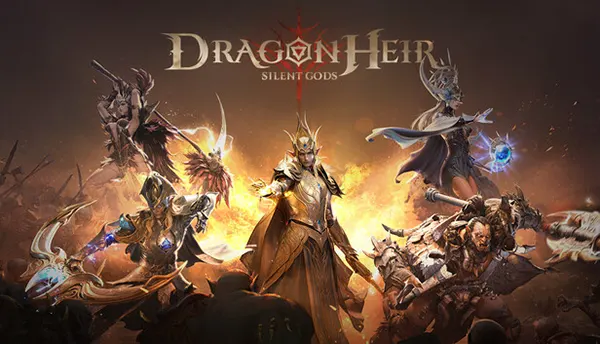
Dragonheir: Silent Gods — Open World Exploration and Tactical Combat in a Mobile RPG
Dragonheir: Silent Gods stands out among modern mobile RPGs by combining a vast open world with structured tactical combat systems. Released with cross-platform ambitions and built on Unreal Engine technology, the game positions itself closer to classic PC role-playing experiences than typical mobile titles. In 2026, it continues to attract players looking for deeper mechanics, strategic decision-making, and a more grounded fantasy setting compared to fast-paced gacha-focused competitors.
Open World Design and Exploration Mechanics
The world of Dragonheir: Silent Gods is built as a large, interconnected environment where players can travel freely without strict linear progression. Regions differ not only visually but also in gameplay logic — from dense forests filled with hidden encounters to harsh deserts where survival mechanics subtly influence exploration. This approach encourages players to move beyond quest markers and engage with the environment itself.
Unlike many mobile RPGs that rely heavily on automated navigation, Dragonheir gives players more control over movement and discovery. Points of interest are not always highlighted immediately, which makes exploration feel more intentional. Environmental storytelling plays a role as well — ruins, abandoned camps, and NPC interactions provide context without relying solely on dialogue-heavy sequences.
Dynamic events and random encounters further support the open world structure. Enemy groups, travelling merchants, and environmental hazards appear based on player progression and location. This keeps exploration from becoming repetitive, even after extended play sessions, and adds a layer of unpredictability that is often missing in mobile RPGs.
World Interaction and Player Freedom
Interaction systems in Dragonheir go beyond simple loot collection. Players can influence certain outcomes through choices made during exploration, including dialogue decisions, combat avoidance, or engagement with factions. These mechanics create a sense that actions have consequences, even in smaller side activities.
The game also integrates light survival elements, such as resource management during longer expeditions. While not overwhelming, these systems add depth and require players to prepare before entering more dangerous areas. It reflects a design philosophy that values planning rather than constant action.
Another important aspect is the absence of aggressive monetisation barriers within exploration. Progression is not locked behind energy systems in the traditional sense, allowing players to explore for longer periods without interruption. This contributes to a more consistent gameplay flow.
Tactical Combat System and Strategy Depth
Combat in Dragonheir: Silent Gods is turn-based and built around positioning, skill timing, and team composition. Battles take place on structured grids where each character’s role — tank, damage dealer, support — directly affects the outcome. The system rewards preparation rather than reaction speed.
Each hero has a distinct skill set, including ultimate abilities that require energy management. Synergy between characters becomes critical, especially in higher-level encounters where enemy AI adapts to player strategies. This creates a layered combat experience that evolves as the player progresses.
Elemental interactions and status effects add another dimension. Certain enemies are vulnerable to specific combinations, encouraging experimentation rather than reliance on a single strong team. This keeps combat engaging over time and prevents repetitive strategies from dominating gameplay.
Team Building and Combat Efficiency
Team composition is one of the central systems that define success in Dragonheir. Players must balance offence, defence, and utility, often adjusting their lineup depending on the type of encounter. Boss fights, for example, require different strategies compared to standard exploration battles.
The game avoids excessive automation in combat, which means players remain actively involved in decision-making. While some basic auto-functions exist, optimal performance requires manual control, especially in more challenging scenarios such as dungeons or seasonal events.
Progression systems, including gear upgrades and skill improvements, are tied closely to combat performance. Rather than simply increasing power levels, these systems influence how characters function in battle. This encourages players to refine strategies instead of relying solely on numerical upgrades.
Progression Systems, Monetisation, and Longevity
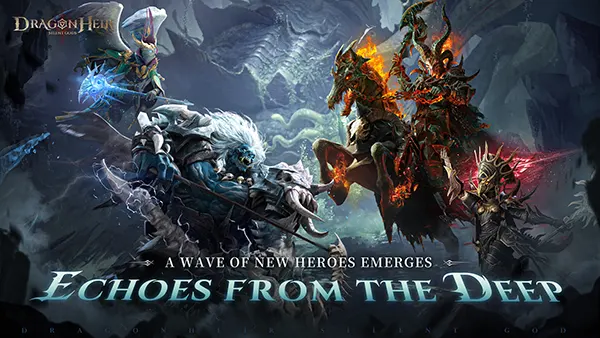
Dragonheir: Silent Gods uses a hybrid progression model that combines traditional RPG levelling with hero collection elements. Characters can be obtained through summoning systems, but the game also provides alternative ways to build a viable roster without relying entirely on random mechanics.
Seasonal content plays a significant role in maintaining long-term engagement. Each season introduces new challenges, balance adjustments, and sometimes narrative expansions. This structure ensures that the game remains relevant in 2026, adapting to player feedback and evolving gameplay trends.
Monetisation is present but comparatively restrained. While in-game purchases can accelerate progression, the core gameplay loop remains accessible without mandatory spending. This balance is important in a market where many mobile RPGs rely heavily on pay-to-progress mechanics.
Endgame Content and Player Retention
Endgame activities focus on strategic challenges rather than repetitive grinding. High-level dungeons, competitive modes, and limited-time events require players to optimise their teams and adapt to new conditions. These systems provide long-term goals beyond basic story completion.
Community-driven features, such as guild systems and cooperative challenges, also contribute to retention. Players can collaborate, share strategies, and participate in group-based objectives, which adds a social layer to the experience without overshadowing solo gameplay.
Regular updates and developer support have been consistent, which is a key factor in the game’s ongoing relevance. In 2026, Dragonheir continues to receive balance patches and content expansions, maintaining a stable player base and positioning itself as a more strategic alternative within the mobile RPG genre.