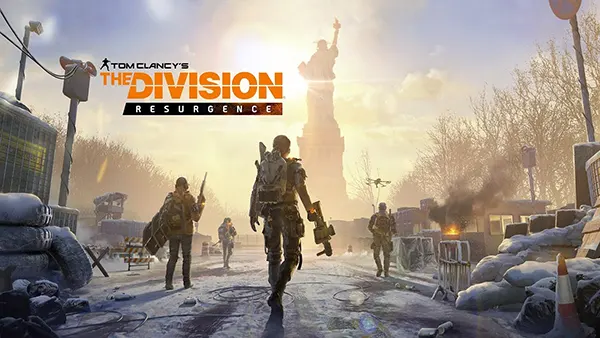
The Division Resurgence — Ubisoft’s Mobile Shooter: PvE, PvP and Character Progression
The Division Resurgence marks Ubisoft’s full-scale attempt to bring its well-known tactical shooter series to mobile devices without reducing its core mechanics. Designed specifically for smartphones, the game combines story-driven PvE missions, competitive PvP modes, and a layered progression system. By 2026, the project has evolved into a technically solid and content-rich title that reflects modern expectations of mobile shooters while retaining the strategic depth of the original franchise.
Core Gameplay Structure: How The Division Resurgence Works on Mobile
Unlike simplified mobile shooters, The Division Resurgence focuses on tactical combat and positioning. Players operate in a third-person perspective, using cover-based mechanics that require awareness of surroundings rather than constant movement. This approach translates surprisingly well to touchscreen controls, especially with customisable layouts and controller support.
The game features a structured mission system built around PvE scenarios. Players complete story chapters, side missions, and open-world activities within a reimagined New York setting. Missions vary in scale, from short tactical encounters to extended operations involving multiple enemy waves and objectives.
One of the defining aspects is the balance between accessibility and depth. New players can engage with basic shooting mechanics quickly, while experienced users benefit from advanced systems such as skill combinations, environmental interaction, and coordinated team play.
Controls, Interface and Technical Performance
Ubisoft invested significant effort into refining the control scheme for mobile devices. Virtual joysticks, skill buttons, and aiming mechanics are designed to minimise input delay. Players can adjust sensitivity, layout positioning, and visual feedback to suit different playstyles.
Performance optimisation has been a priority, especially considering the wide range of supported devices. The game includes scalable graphics settings, allowing it to run on mid-range smartphones without major compromises in gameplay stability.
In addition, cloud-based account syncing ensures continuity across devices. This feature allows players to switch between phone and tablet without losing progress, which is increasingly expected in modern mobile titles.
PvE and PvP Modes: Variety and Replayability
The Division Resurgence separates its content into distinct PvE and PvP segments, each offering different pacing and challenges. PvE remains the backbone of the experience, with narrative-driven missions and cooperative gameplay forming the core loop.
Co-op play allows up to four players to complete missions together, encouraging role specialisation and teamwork. Certain missions are designed around coordinated actions, such as simultaneous objective control or combined skill usage.
PvP modes introduce a competitive layer, including arenas and the Dark Zone-style areas familiar to fans of the franchise. These zones combine PvE and PvP elements, where players must extract valuable loot while facing both AI enemies and other players.
Balance Between Competitive and Cooperative Play
The developers aim to maintain a fair balance between PvE progression and PvP competitiveness. Equipment advantages exist, but skill-based mechanics such as positioning and timing remain crucial in determining outcomes.
Matchmaking systems are structured to group players with similar levels and gear scores. This reduces the gap between newcomers and advanced players, making PvP modes more accessible without removing the incentive to improve.
Regular seasonal updates introduce new modes, limited-time events, and balance adjustments. These updates help maintain long-term engagement and prevent stagnation in both PvE and PvP environments.
Character Development and Progression Systems
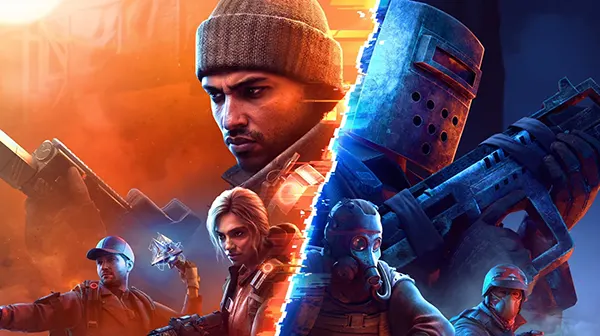
Character progression in The Division Resurgence is built around multiple interconnected systems. Players level up their agents, unlock skills, and customise loadouts based on preferred playstyles. This layered approach provides flexibility without overwhelming new users.
Gear plays a central role in progression. Weapons and armour come with different attributes, rarity levels, and set bonuses. Players can upgrade, recalibrate, and optimise their equipment to improve performance in both PvE and PvP scenarios.
Specialisations further expand the progression system. Each specialisation grants unique abilities and tactical advantages, encouraging players to experiment with different builds rather than relying on a single approach.
Long-Term Progression and Endgame Content
Endgame content focuses on high-difficulty missions, raids, and seasonal challenges. These activities require optimised builds and coordinated teamwork, offering a meaningful challenge beyond the main storyline.
Seasonal progression systems introduce new rewards, cosmetics, and gameplay modifiers. This structure keeps the experience fresh and provides clear goals for returning players.
By 2026 standards, The Division Resurgence aligns with the expectations of live-service mobile games. Continuous updates, evolving content, and progression depth ensure that players have reasons to return without relying solely on repetitive grinding.