Mobile Cross-Platform MMO and RPG Titles 2025–2026: What Stands Out Today
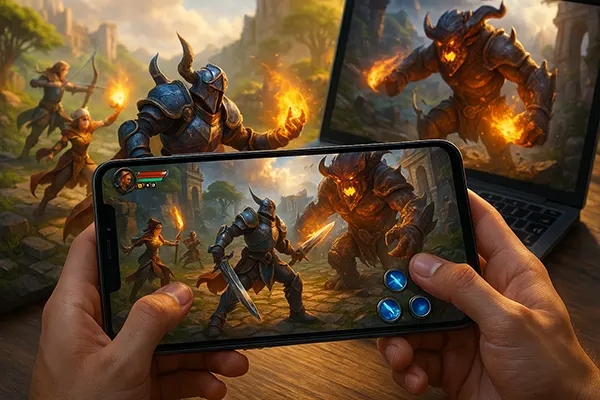
The mobile MMO and RPG segment continues to shift rapidly in 2025, as developers prioritise cross-platform access, long-term progression systems, and stable online infrastructure. Modern players expect Android, iOS and desktop clients to sync seamlessly, while studios focus on sustainable monetisation and balanced end-game design. Below is an in-depth look at the most relevant releases and updates shaping the next two years.
New and Recently Updated MMO Projects Worth Attention
The most notable trend of 2025 is the rise of hybrid MMO formats that merge persistent online worlds with traditional RPG storytelling. Titles such as *Odin: New Dawn Reforged* and *Warframe Mobile 2.0* illustrate how developers refine older concepts rather than relying solely on newly launched games. These projects invest heavily in combat responsiveness and cross-device synchronisation, addressing long-standing concerns around input delay and overloaded servers.
Another important release is *Project Atlas Online*, a large-scale sci-fi MMO arriving simultaneously on Android, iOS and PC in late 2025. Early testing confirmed improved matchmaking efficiency, reduced RAM usage on mobile devices, and stable 60 FPS performance on mid-range phones. Its dynamic faction-based structure gives players reasons to return weekly, thanks to rotating objectives and persistent territory control.
Classic fantasy RPG fans continue to gravitate toward *Lineage W Global Update 2025*, where the studio introduced a complete remaster of skill animations and server-region optimisation. While the core progression remains demanding, the modernised client significantly shortens loading times and offers broader controller support.
Strengths and Weaknesses of New MMO Releases
Across the top projects, the strongest improvements revolve around stability. Publishers now prioritise global server clusters, reducing latency spikes and improving large-scale encounters. This technical shift makes open-world raids and coordinated battles more viable, especially for competitive guilds using multiple devices.
However, monetisation remains a sensitive topic. Several 2025 releases still rely on premium battle passes and cosmetic bundles that gradually increase in cost with each season. While these systems do not directly impact power balance, they may create pressure for long-term spenders. The few titles that commit to cosmetic-only monetisation tend to maintain more positive community reception.
Community management also plays a decisive role. Games with active moderation teams and transparent development roadmaps sustain healthier player bases. Projects that lack regular communication often face early drop-off, especially when balance patches fail to address dominant builds or unresponsive skills.
Cross-Platform RPGs: Long-Term Value for Dedicated Players
Cross-platform RPGs have become a strategic priority for major studios, particularly because many players prefer switching between mobile sessions and desktop play. *Genshin Impact – 2025 Edition* continues to refine this approach with high-fidelity graphics scaling, while *Wuthering Waves Global Expansion* enhances character rotation depth and tactical combat clarity.
One of the most anticipated RPGs of 2026 is *Eternal Rift Chronicles*, developed as a cross-platform title from the ground up. The game introduces branching narrative systems that adjust according to long-term account decisions rather than isolated quest choices. This direction responds to players wanting deeper story engagement without sacrificing quick mobile-friendly sessions.
Meanwhile, *Final Fantasy VII Ever Crisis 2* expands its collaborative modes, allowing users to join shared campaigns regardless of their device. Its progression structure avoids excessive resource bottlenecks, which helps maintain fair pacing between free and paying users.
Advantages and Drawbacks of Cross-Platform RPG Formats
The strongest advantage is flexibility. Players who travel frequently can continue long quests without losing progress, while desktop users benefit from improved precision during complex boss fights. This accessibility makes RPGs more sustainable as long-term projects, especially for those who enjoy consistent weekly content.
On the downside, balancing across three device types remains challenging. Some games struggle to maintain comparable difficulty when players switch between touchscreen controls and full-sized keyboards. Developers working on 2025–2026 releases increasingly rely on adaptive difficulty profiles to offset this inconsistency.
Visual quality also varies significantly across devices. While top-tier phones handle advanced shading and particle effects, older smartphones may experience frame drops. For this reason, many studios now include performance-first settings aimed specifically at mid-range hardware.
Are These Games Better Than Classic Mobile Titles?
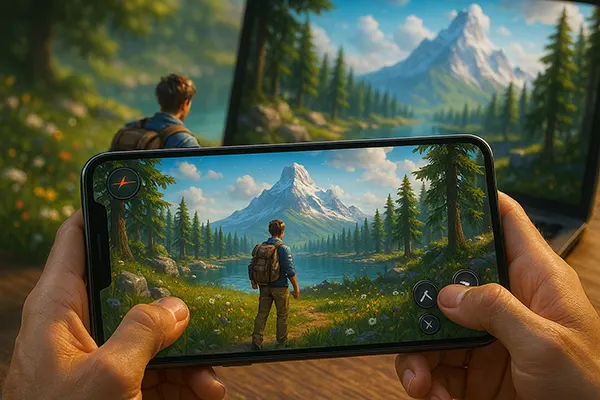
Cross-platform MMOs and RPGs generally provide more longevity than traditional single-device mobile titles, largely because they offer larger social systems, more stable progression loops, and regular seasonal updates. Their communities tend to remain active for several years, which strengthens cooperative gameplay and guild interaction.
Classic mobile games still serve players who prefer short, self-contained sessions; however, they struggle to compete with the depth of multi-device ecosystems. Many users now expect their progress to carry across hardware, which significantly reduces the appeal of games locked exclusively to phones.
As a result, the most successful titles in 2025–2026 are those that adopt PC-level features—open worlds, dynamic events, hub-based trading systems—while remaining optimised for mobile battery life and data usage. Players who want long-term engagement generally find cross-platform MMOs and RPGs a more reliable choice.
Who Will Benefit from These New Projects?
Players who value consistent progress across devices will benefit the most from modern cross-platform titles. Those who enjoy strategic guild activities or character-driven stories are likely to appreciate the increased production quality seen in 2025 releases.
Gamers who prefer lighter or more casual experiences may find cross-platform RPGs too demanding, as these titles often require scheduled events, coordinated team play and steady resource management. Still, improved accessibility settings and simplified early-game tutorials help make them more welcoming than previous generations.
Overall, cross-platform MMOs and RPGs offer more stability, higher content density and better long-term planning from studios. With growing investment from both Western and Asian publishers, the next two years are set to produce some of the strongest releases the mobile market has seen.